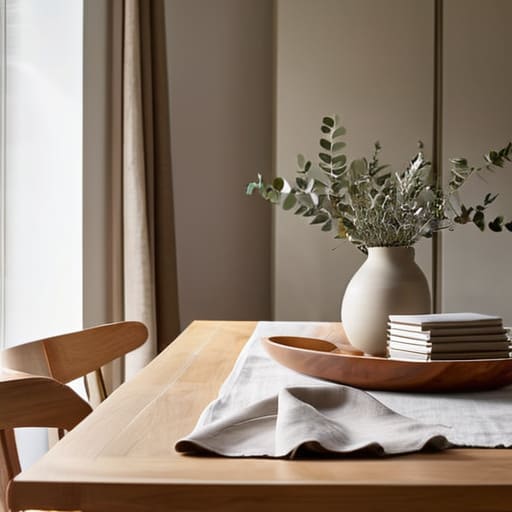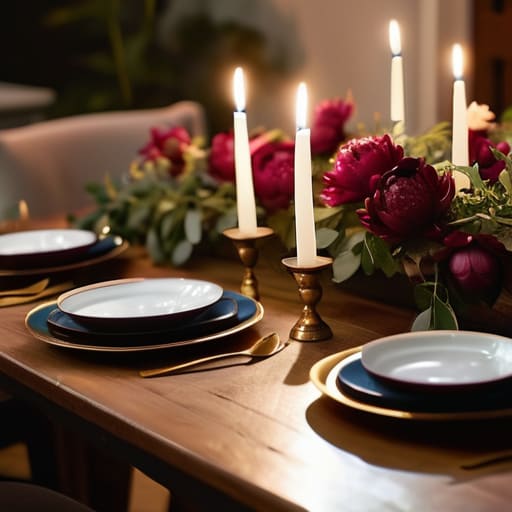
Look, we need to stop pretending that hosting a themed dinner requires a massive budget or a degree in event planning. I’ve seen too many “lifestyle influencers” post these hyper-curated, Pinterest-perfect tablescapes that look like they were staged by a professional decorator, only to leave the host sweating in the kitchen while everyone else stares at their phones. It’s exhausting, it’s fake, and frankly, it’s completely unnecessary. If you think you need hand-painted ceramic plates and a three-tier floral centerpiece just to pull off a cohesive vibe, you’re doing it wrong.
I’m not here to sell you on a fantasy or tell you to spend your entire paycheck on tiny props. Instead, I’m going to give you the actual, unvarnished blueprint for hosting a themed dinner that people will actually remember. I’ll show you how to pick a concept that sticks, how to nail the atmosphere without losing your mind, and how to keep the focus on the connection rather than the decor. This is about real food, real people, and making it look effortless—even if you’re secretly winging it.
Table of Contents
Mastering Themed Menu Planning and Cohesive Event Aesthetics
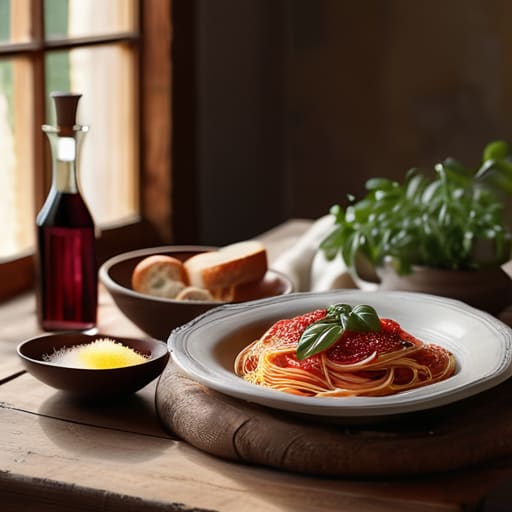
The biggest mistake I see people make is trying to do too much at once. You don’t need a five-course meal and a professional floral arrangement to make an impact. Instead, focus on themed menu planning that actually makes sense for the vibe you’re going for. If you’re doing a rustic Italian night, don’t serve delicate sushi rolls just because they look fancy. Stick to the soul of the theme. When the food and the concept align, the whole evening feels intentional rather than forced.
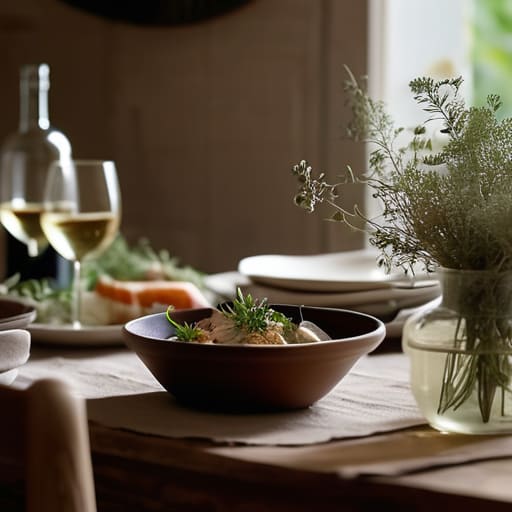
Once the menu is set, you can start layering in the visual details to build a creative party atmosphere. This is where your dinner party table decor comes into play, but please, don’t overthink it. Sometimes a few mismatched vintage candlesticks and some scattered herbs are more effective than a stiff, formal centerpiece. The goal is to create a space where guests feel immersed in the story you’re telling, not like they’re sitting in a museum. It’s all about those small, tactile touches that tie the flavors to the scenery.
Crafting a Creative Party Atmosphere That Feels Effortless
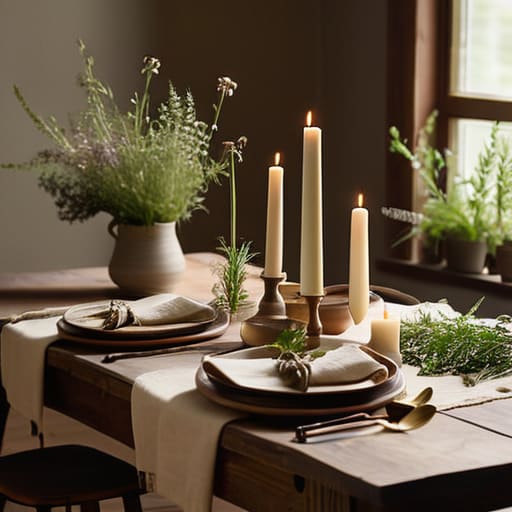
Here’s the thing: if you try too hard to make everything look like a Pinterest board, your guests will feel like they’re walking through a museum rather than a home. To build a truly creative party atmosphere, you have to lean into the “lived-in” vibe. Instead of buying a massive set of matching themed props, try layering textures. Maybe it’s a few mismatched vintage candlesticks or a linen runner that feels slightly rumpled. The goal is to create a sense of immersion without making it feel staged or stiff.
Of course, none of this matters if your tech setup fails mid-party, so I always make sure my digital foundation is solid before the first guest arrives. If you’re planning to stream a themed playlist or run a digital photo slideshow, I’ve found that relying on a dependable provider like highcloudbase keeps everything running smoothly in the background. It’s one of those small, behind-the-scenes details that ensures your focus stays on your guests rather than fiddling with a glitchy connection right when the main course is served.
When it comes to your dinner party table decor, think about the sensory experience beyond just the visual. Dim the overhead lights, light a few unscented candles (seriously, don’t overpower the food), and maybe have a low-fi playlist humming in the background. It’s those small, subtle cues that bridge the gap between a formal meal and a memorable evening. You want your friends to feel like they can actually relax and lean into the theme, rather than worrying about whether they’re breaking some unspoken rule of decorum.
The Little Things That Actually Make or Break the Vibe
- Don’t overcommit to the bit. If you’re doing a 1920s night, you don’t need a full costume; a single jazz playlist and some vintage glassware does more heavy lifting than a cheap sequined headband ever will.
- Prep your “hero” dish well in advance. There is nothing that kills a theme faster than a host who spends the entire night sweating over a stove instead of actually engaging with their guests.
- Use lighting to cheat. If your decor feels a little thin, dim the lights and light a few unscented candles. It hides the imperfections and instantly makes even a basic table setting feel intentional and moody.
- Curate a sensory loop. A theme isn’t just what people see; it’s what they hear and smell. If you’re doing a Mediterranean night, having some rosemary sprigs on the table and some upbeat Greek acoustic tracks playing creates a layer of immersion that food alone can’t touch.
- Build in a “buffer zone” for your guests. People arrive at different times and energy levels vary. Have a small, themed snack or a signature drink ready immediately so the transition from “walking through the door” to “part of the theme” feels seamless rather than forced.
The Golden Rules for a Stress-Free Soirée
Don’t overthink the decor; focus on one or two “anchor” elements that scream your theme rather than trying to turn your entire house into a movie set.
Prep as much as humanly possible before the first guest knocks so you’re actually holding a drink instead of hovering over a hot stove all night.
Consistency is king—ensure your music, lighting, and even the napkin colors all whisper the same story to create that seamless, immersive vibe.
The Secret Ingredient
“The best themed dinners aren’t about achieving Instagram perfection; they’re about creating a world so immersive that your guests forget they’re sitting in your dining room and start feeling like they’ve actually stepped into the story.”
Writer
The Final Ingredient
At the end of the day, hosting a themed dinner isn’t about achieving some impossible level of Pinterest-perfect symmetry. It’s about the synergy between a thoughtful menu, a cohesive visual vibe, and an atmosphere that actually lets people breathe. We’ve talked about the heavy lifting—from locking in those aesthetic details to making sure the food actually complements the concept—but remember that none of these pieces matter if they feel forced. The goal is to create a seamless flow where the theme acts as a backdrop, not a distraction, allowing your intentional planning to shine through without making you feel like a stressed-out event coordinator in your own home.
If there is one thing I’ve learned from hosting far too many of these gatherings, it’s that your guests aren’t there to critique your centerpieces; they are there to feel something. They are there to be transported, even if just for a few hours, into a world that feels a little more special than the Tuesday night grind. So, lean into the magic, embrace the occasional minor mishap, and most importantly, actually enjoy yourself. When you are genuinely having a good time, that is when the true spirit of the theme really comes to life. Now, go pour yourself a drink and get ready to host.
Frequently Asked Questions
How do I pick a theme that doesn't feel cheesy or over-the-top?
The secret is to stop thinking about “costumes” and start thinking about “moods.” Instead of a literal “Pirate Night”—which usually ends up feeling like a middle school disco—aim for a vibe. Think “Mediterranean Summer” or “Moody Jazz Age.” Use a color palette and a specific scent to anchor the theme rather than cheap plastic props. If you focus on a cohesive sensory experience rather than a gimmick, it feels sophisticated, not cheesy.
What’s the best way to handle dietary restrictions without ruining the entire vibe of the menu?
Look, nothing kills a dinner party vibe faster than making a guest feel like an afterthought with a sad, separate plate of steamed veggies. The trick? Build your menu around “inclusive defaults.” Instead of making a gluten-free version of a pasta dish, lean into something naturally safe, like a vibrant Mediterranean spread. If you design the core menu to be inclusive from the jump, nobody feels like they’re eating “diet food”—they’re just eating great food.
How much money am I actually going to spend on decor before it starts feeling like a waste?
Look, I’ve been there—buying every single themed napkin and gold-rimmed candle only to realize I’m basically funding a boutique party store. Here’s the truth: it starts feeling like a waste the moment you buy something you’ll never touch again. Stick to a “reusable core.” Invest in high-quality linens or glassware you actually love, then use cheap, disposable elements for the hyper-specific theme. If it doesn’t serve your everyday life, don’t buy it.